
As any new mum will tell you, breastfeeding isn’t light work and that is even more so in summer. We all struggle in the heat sometimes; it can be agitating and easy to get flustered. Breastfeeding can become an uncomfortable, sweaty mealtime for both you and your little one.
With that being said, there are some ways you can make breastfeeding in the summer much easier. Here Pip Morrish, of Midwife Pip, gives us her top 5 tips for surviving breastfeeding throughout the warmer months.
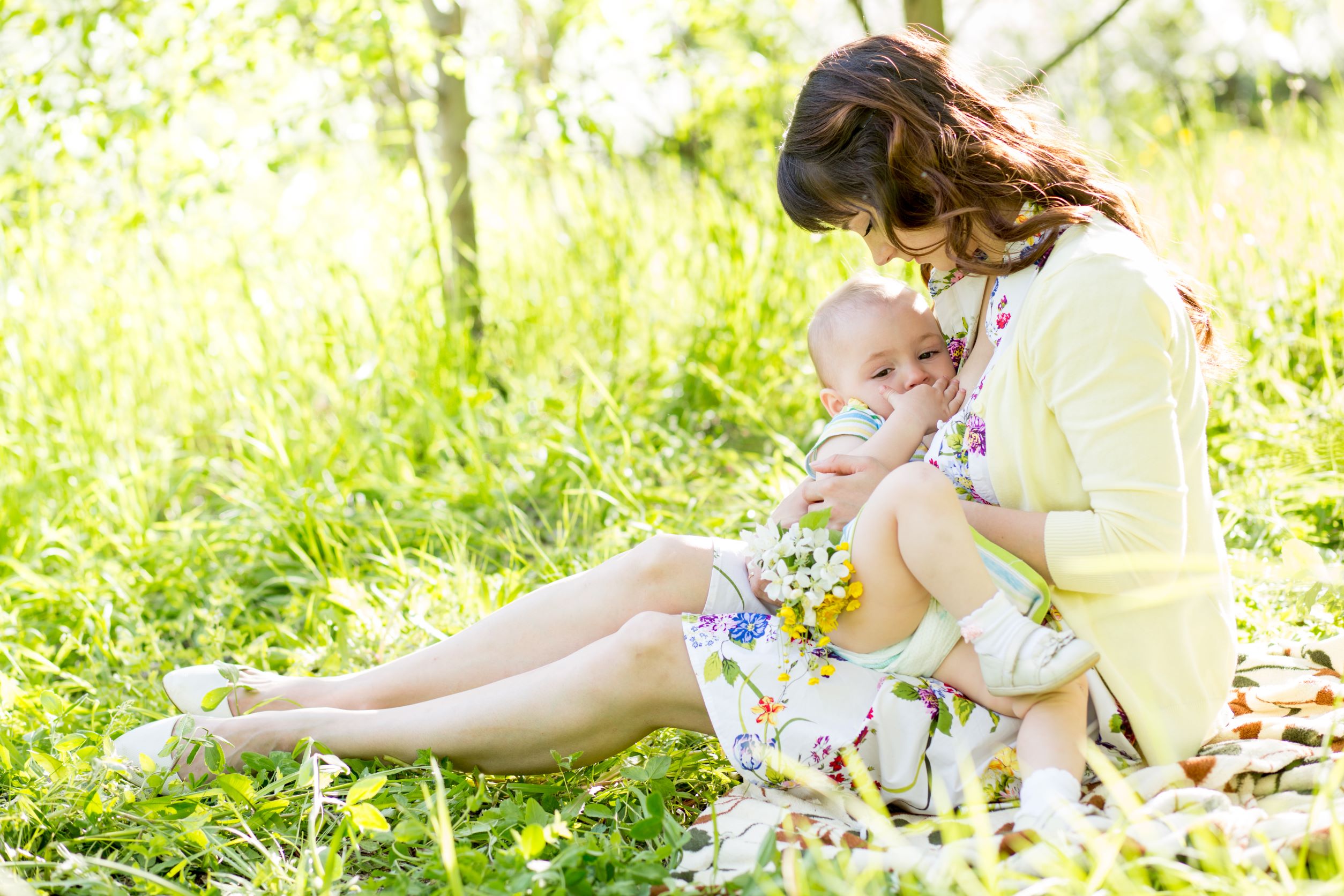
- Wear Light Clothing
Light, floating clothing with easy breast access is best! Avoid anything thick or clingy – ensure you are comfortable, and your clothing is breathable. Nursing access tops or bras also save a lot of time trying to get access to your breast so you can save yourself from working up a sweat.
- Find Shade
Avoid trying to feed in the direct sun because it will do neither you nor your baby any good. It is important to ensure your little one is not overheating in the summer, so shade is definitely going to be your new best friend when you are breastfeeding in the summer. If your baby is over 6 months old, consider using sunscreen to protect from any exposure. For younger ones a brimmed hat will help keep the sun off their faces.
- Stay Hydrated
Hydration! This is oh so important. Your baby may feed more often in warmer weather to meet their hydration needs – and you should be drinking more too. You need to make sure you are hydrated enough for both yourself and baby. Never stray far from your water bottle!
- Keeping You Cool
Try carrying a handheld fan, spray water bottle and adding ice to your drinks to keep you more comfortable. A paddling pool or bucket of cool water to dip your feet into is also a great addition – you’d be surprised how much you can cool down by dipping your feet into cool water. These summer months are definitely a good excuse for an ice lolly or two, as well!
- Keeping Baby Cool
Temperature regulation for new babies is really important to reduce the risk of SIDS. So, keep them shaded, in light clothing and a regular check on their temperature.
However you keep cool this summer, we hope that these tips from Pip help to make sure your breastfeeding experience is as calm and enjoyable as possible this summer.
Pip is a practicing Midwife in the UK. She has many years of experience supporting new and expectant mothers. With a passion for supporting pregnant women by providing real, honest and evidence-based information, Pip helps women prepare for birth and postpartum.
You can find more information about Pip’s services on her website and check her out on Instagram @midwife_pip for more tips and expert information.
Breastfeeding the best way
Let’s face it – we’re lacking the right education when it comes to breastfeeding in the 21st century and that also means a lot of old wives’ tales being passed around. Breastfeeding is so much more than simply a way to please your hungry munchkin. And whilst it’s a magical aspect of motherhood, nurturing that unique bond between parent and baby, it’s also no secret that nursing a little one is no easy feat. We won’t lie to you, it’s an emotional rollercoaster – it’ll be challenging, tiring, and overwhelming (not to mention messy) but it’ll also be beautiful, intimate, rewarding, and completely worthwhile.
Whilst the mechanics of breastfeeding can feel confusing – what about the impact it can have on mums themselves? It’s completely normal to feel like you’re struggling with your sense of self whilst breastfeeding. You may feel guilty that this joyous experience is feeling not so joyous for you. But let us reassure you, you’re not alone! Looking after your cherub is incredibly important but looking after yourself is just as important. After all, our lovely mammas deserve all the TLC in the world too!
Whether you’re a mummy-to-be or you’re already on your breastfeeding journey, we’re sure you’ll have a lot of questions racing through your mind. So, we’ve teamed up with the Breastfeeding Mentor, Danielle Facey, to ease you into the wonderful world of breastfeeding and fully equip you before beginning your journey.
As well as being a mumma herself, Danielle has an MSc in Psychology, is a qualified yoga and meditation teacher, and of course is a breastfeeding guru. Using both her professional experience, and personal experience of being a mum, she offers advice to nursing mums so they can not only master breastfeeding but glow within themselves too.
The Benefits of Breast Milk
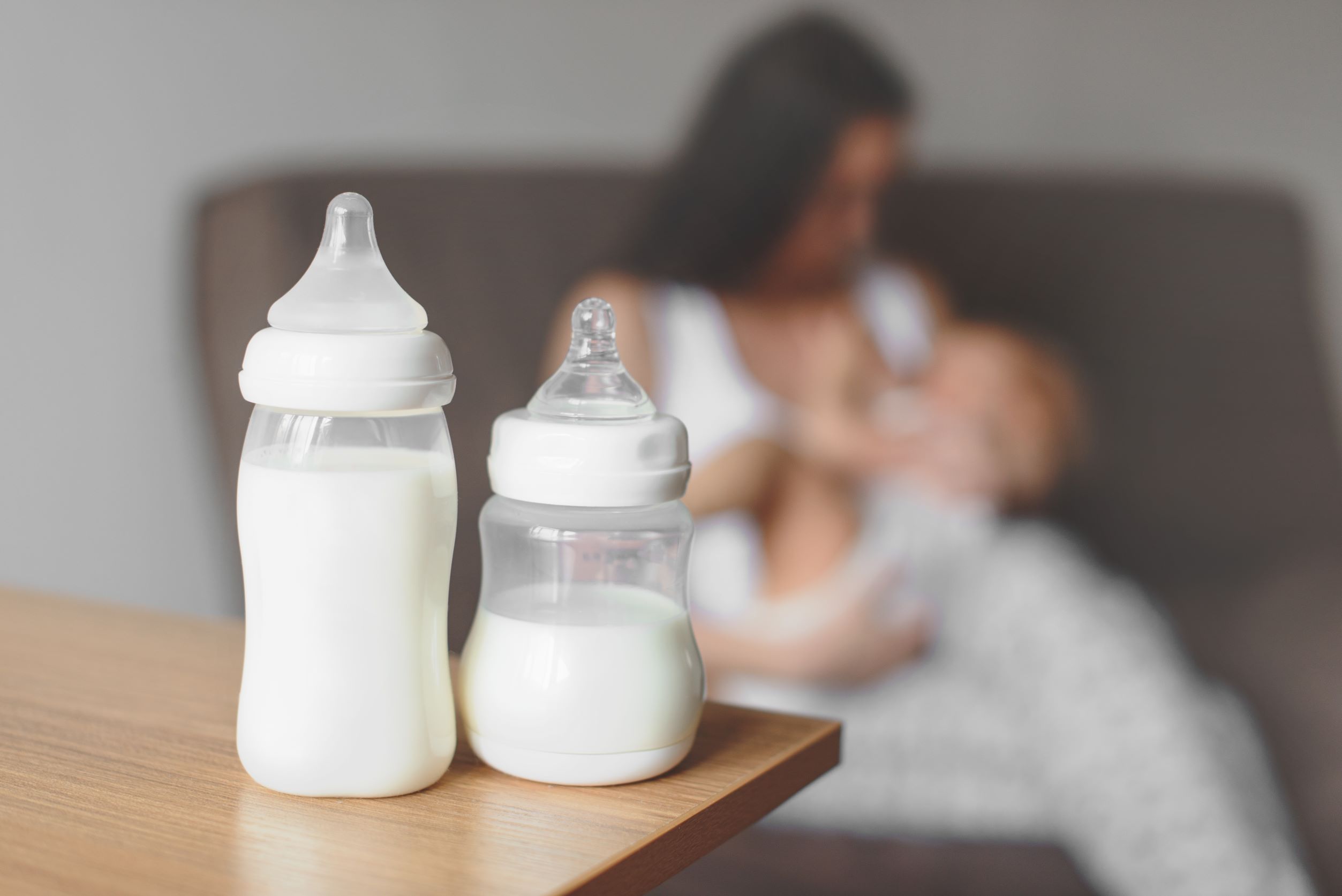
Once your new addition to the family arrives, the colostrum (first milk produced during pregnancy) that your breasts naturally produce for your babe is the best nutrition you can give them. It has everything your little one needs to grow, and it’s also packed with antibodies that’ll protect them from infection and help make their immune system strong. But that’s not all! According to Healthline and the NHS, there are plenty more benefits to breast milk, both for baby and mamma:
For Baby
- Contains all the nutrients needed for the first 6 months
- Reduces risk of illnesses such as ear infections, colds, allergies, and cardiovascular disease in adulthood
- Helps promote healthy weight gain
- Positive impact on long-term brain development
- Contributes to building a strong bond between mum and baby
For Mum
- Lowers risk of breast cancer, ovarian cancer, osteoporosis, cardiovascular disease, obesity
- Reduces chances of developing postpartum depression
- Prevents breasts from becoming too full, which helps avoid mastitis (swollen breasts)
- Helps your uterus contract back to its previous size prior to pregnancy
The Impact of Breastfeeding on Your Body
Weight
What if we told you breastfeeding actually burns calories? We bet you weren’t expecting that! Of course, in terms of losing weight directly through breastfeeding, it will differ amongst women. Some may get back to their pre-baby figure quicker, others notice no effect, and some even gain weight during the process. Danielle tells us that whilst breastfeeding burns 25% of the calories we consume every day, it’s 5% more than our brains use. So, whilst breastfeeding, if you’re finding you’re thirstier than usual, and your tummy’s rumbling more often – Danielle has cracked the case for you!
Ligaments and joints
Whilst you’re carrying your little one, a hormone called ‘relaxin’ is produced which circulates around your body to help loosen up those joints and ligaments ready for the big day. But Danielle lets us in on a secret all mummas should know – ‘relaxin’ will continue to move around your body for as long as you breastfeed. Danielle tells us it’s especially important to keep this in mind if you’re a mum who’s itching to get back into fitness after having your baby:
“…it is important to be aware of this for when you start to get back into exercising postpartum. You need to be aware that your ligaments and joints are looser than usual so take extra care to avoid injury.”
Libido
You may not know but your libido can take a hit if you’re a breastfeeding mama. Of course, this isn’t true for everyone, but Danielle says that for those mums who do find breastfeeding takes a toll on their libido, it can feel like they’re alone in it. But Danielle reassures mums everywhere that this couldn’t be further from the truth! It’s actually incredibly normal, and an issue that’s a lot more common than thought to be. If you need some words of wisdom, Danielle says:
“There are things you can do such as focusing on a connection with your partner in other ways such as emotionally, intellectually and through touch. This can help you to reconnect and regain that intimacy.”
Practicing Self-Care Whilst Breastfeeding

Sometimes you can struggle to feel like yourself whilst you’re breastfeeding. But Danielle tells us that self-care goes a long way – and we trust the breastfeeding guru with our life! You may feel guilty about self-care, but just know that taking care of yourself isn’t a luxury – it’s an essential part of being a good mum. Danielle assures mums that all it takes is getting an extra pair of hands to take your cherub off you, so you can have some well-deserved downtime. And yes dads – we’re looking at you!
Danielle’s wisdom doesn’t end there. She also advises taking baby steps because she understands it’s natural as a mum to feel protective and want to be with your cub all the time:
“Start simple. Maybe lie completely still on a flat surface with a facemask whilst someone looks after your little one for 15 minutes and you get a moment of peace.”
Danielle says over time, you’ll become more comfortable with being away from your baby for longer stretches if you breastfeed them first. That way you know for sure they’re not going to get hungry whilst you’re away. Once you have that peace of mind, Danielle suggests treating yourself in the following way:
“…perhaps start with half an hour in the bath listening to your favourite podcast and then build up to an hour. Whatever it is you do, just make sure to find time for regular me time, to give yourself a time to switch off and be still. Your body mind and soul will thank you for it.”
The Best Breastfeeding Positions
You may need to try a few breastfeeding positions before finding your favourite one that works best for you and your little one. Danielle lets us in on her tried and tested favourites:
- Line your baby’s nose up with your nipple instead of their chin / jaw – Danielle says this helps them open their mouth wide and get a good deep latch, so they can get all those yummy nutrients from your breast effectively and comfortably.
- Lie back – Danielle tells us that this position helps your bub get in a comfy position and stay there, so you can have your hands free and relax whilst breastfeeding. You can either do this whilst perched on a chair with a cushion or in your happy place (bed) with lots of cushions. And it’s easy peasy according to Danielle! She says all you have to do is lay your cutie in full body contact and line their nose up with your nipple. You can do this with your baby lying vertically, but if you’ve had a c-section or your baby’s very long, angle them across your body and allow them to latch onto you. Now, you’ve got your hands free to snuggle your little one or move them into a position where mama will be comfortable too. Danielle says to just make sure you don’t apply any pressure to the back of their teeny tiny heads, so they can wiggle about freely.
How to Deal with Breastfeeding Soreness
Breastfeeding shouldn’t be painful. However, Danielle tells us that when your little one’s ickle teeth are coming through or if they’re cluster feeding, you may experience a little bit of pain. Fear not though mamas! Danielle has a couple of tricks up her sleeve to help reduce discomfort, as she recommends expressing your own breast milk and then applying it to the sore nipple to help it heal. Or if you’re after other remedies, Danielle says to apply natural-based products such as nipple creams and balms (whether oil or lanolin based) to get you on the mend.
If the soreness you’re experiencing is because your nipples are engorged or you have a clogged milk duct, Danielle tells us a hot or cold compress (or alternate between the two) should do the trick.
On a final note, Danielle urges mums that when in doubt, to contact an IBCLC (International Board Certified Lactation Consultant), who will look after you on your breastfeeding journey. Danielle also advises that if you’re experiencing soreness and develop a fever and chills, to seek medical advice as soon as possible. It’s always better to be safe than sorry!
And there’s more where that came from! If you’re interested in learning more, you can follow Danielle on Instagram and be further inspired on your breastfeeding journey. And if you’re looking to get your head stuck in a good book, Danielle has a book called ‘Self Care: The Breastfeeding Edition’ and you can access it for free on Amazon Kindle, or via her website. Breastfeeding on your own terms (and self-care) begins today!