
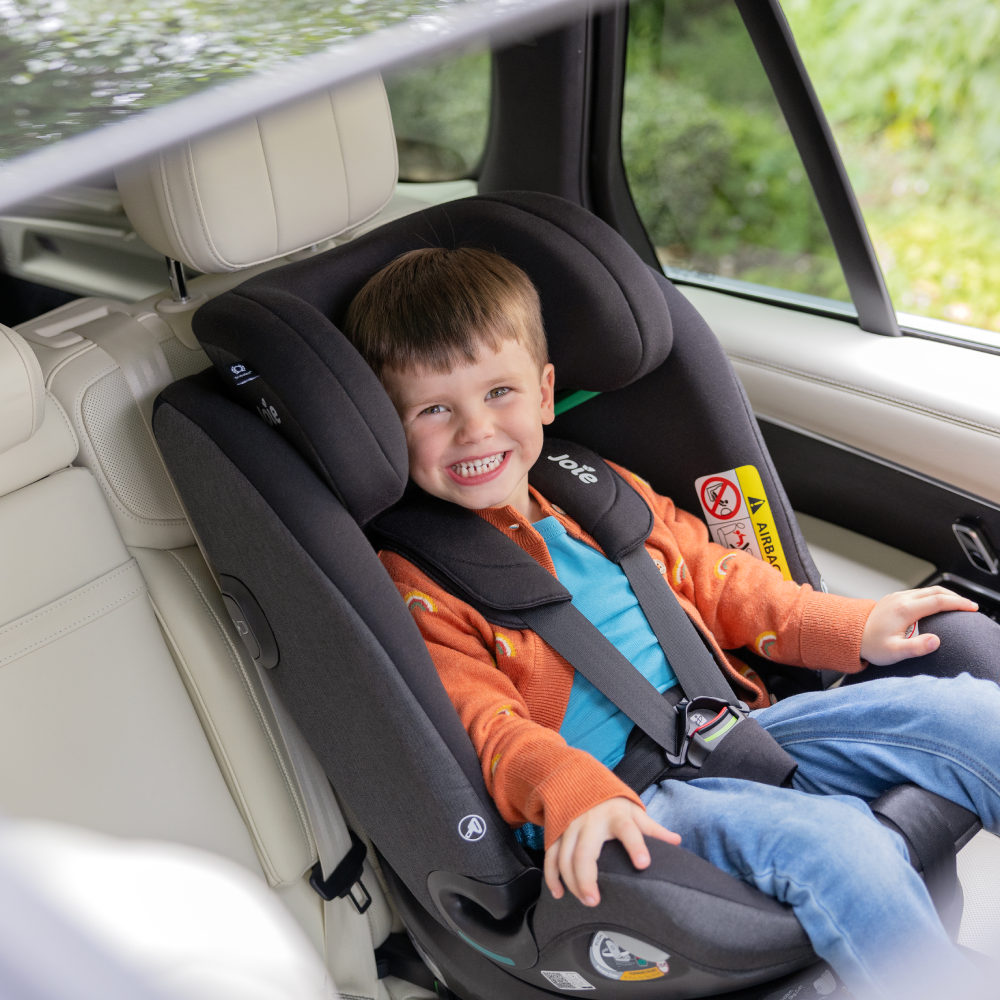
Stood in the car seat aisle (or, more likely, with fifteen browser tabs open at 11pm) trying to decide between Joie and Maxi-Cosi? You’re not alone, they’re two of the most popular car seat brands in the UK, and both make genuinely excellent, i-Size-approved seats. The short version: Joie tends to win on value, packing 360-degree rotation and clever safety tech into seats that cost noticeably less, while Maxi-Cosi leans premium, with extra polish, additional recline positions and a longer European engineering pedigree that comes at a higher price. Neither is “better” outright, it depends on your budget, your car, and what stage your child is at. Let’s break it down model by model so you can see exactly where the differences (and the savings) lie.
What Are Joie and Maxi-Cosi Known For?
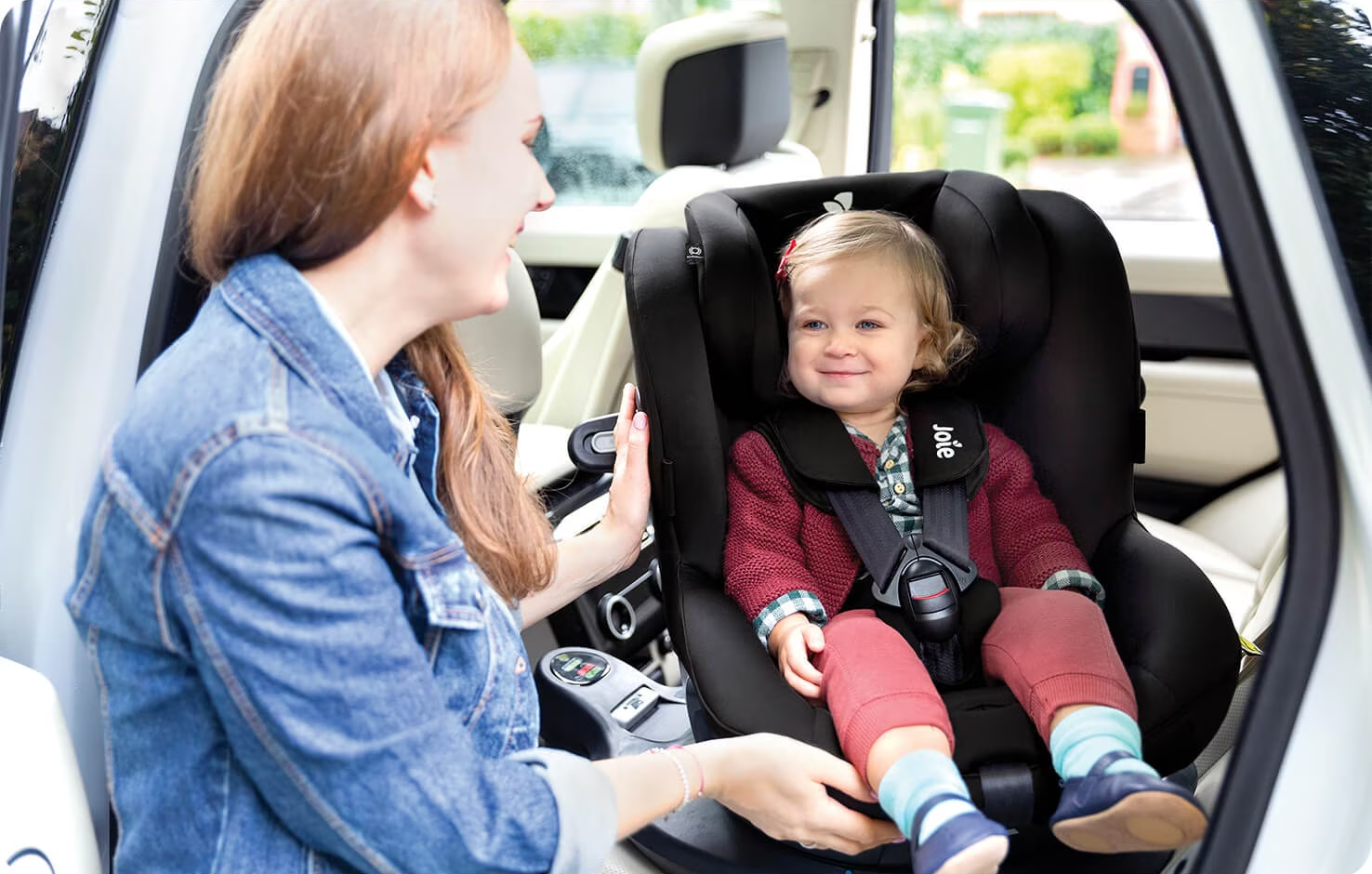 Joie is a newer name on the UK market but has grown fast, and is now widely considered one of the best-selling car seat brands in the country. Backed by one of the largest baby goods manufacturers in China, Joie has picked up multiple Red Dot design awards and built a reputation for bringing genuinely useful tech, like one-handed 360-degree rotation, ISOFIX support legs and side-impact protection, down to a price point that doesn’t require remortgaging the house. If you want the same clever features you’d find on a flagship seat but without the flagship price tag, Joie is usually where people end up.
Maxi-Cosi is the older, more established name of the two. Founded in the Netherlands in 1984 (with roots going back further as a Dutch baby goods company), Maxi-Cosi introduced one of Europe’s first dedicated child car seats and spent years in crash-test development before earning its safety approvals. It’s now owned by the Canadian group Dorel Industries and remains one of the most recognised car seat brands in Europe. Maxi-Cosi seats tend to sit a notch higher on price than Joie’s equivalents, but you’re generally paying for extra convenience touches (like the FamilyFix 360 base’s slide-and-rotate action), additional padding and recline positions, and a brand name many UK parents already trust from prams and pushchairs.
In short: Joie is the value-focused innovator, Maxi-Cosi is the established premium name. Both meet the same UK safety standards, so neither is the “unsafe” choice.
How Do Joie and Maxi-Cosi Compare Model by Model?
Here’s how the two brands stack up across the three stages most parents shop for: a rotating birth-to-4-years seat, a newborn infant carrier, and a Group 2/3 booster for school-age children.
| Model | Brand | Stage | Approx. Price | Key Feature |
|---|---|---|---|---|
| i-Spin 360 | Joie | Group 0+/1 (birth to approx. 4 years) | Typically £160-£200 | One-handed Simple Swivel rotation, i-Size approved, 6 recline positions |
| Pearl 360 | Maxi-Cosi | Group 0+/1 (birth to approx. 4 years) | Typically £190-£220 (FamilyFix 360 base sold separately) | G-CELL side impact tech, ClimaFlow temperature regulation, AGR back-friendly seal on the Pro version |
| i-Level Recline Signature | Joie | Group 0+ infant carrier (birth to approx. 13kg) | Typically £150-£200 | Near lie-flat 157-degree recline for healthier newborn positioning |
| Pebble 360 | Maxi-Cosi | Group 0+ infant carrier (birth to approx. 15 months) | Typically £220-£260 | Rotating FamilyFix 360 base, some versions TÜV certified for aircraft use |
| i-Trillo | Joie | Group 2/3 booster (approx. 100-150cm) | Typically £50-£60 | Lightweight, rigid ISOFIX connectors, 10-position headrest |
| RodiFix | Maxi-Cosi | Group 2/3 booster (approx. 15-36kg) | Typically £150-£180 | Extra recline positions, width adjustment, ventilated panels |
A few things jump out here. In the rotating infant-to-toddler category, Joie’s i-Spin 360 and Maxi-Cosi’s Pearl 360 do near-identical jobs (both i-Size approved, both spin, both cover birth to around four years), but the Pearl 360 costs more, largely because you’re also paying for the FamilyFix 360 base separately and a bit of extra brand polish. The infant carrier pairing is similar: the Joie i-Level’s lie-flat recline is a genuinely clever bit of engineering for newborns, while the Pebble 360 adds a rotating base and a few premium touches for a higher price. The booster gap is the widest of the lot, the i-Trillo does the core safety job for a fraction of the RodiFix’s price, though the RodiFix does add recline and width adjustment that some older children appreciate on longer trips.
Which Should You Choose?
Budget-conscious families: Go Joie. Across every stage compared above, Joie’s equivalent seat costs noticeably less while still hitting the same i-Size safety standard. The gap is widest at the booster stage, where the i-Trillo does everything most families actually need for a fraction of the RodiFix’s price.
ISOFIX rotation fans who want the smoothest possible spin: Either brand delivers, but if you specifically want the base to slide towards the car door as well as rotate (handy in a tight garage or narrow parking space), the Maxi-Cosi FamilyFix 360 system is worth the extra spend. If a straightforward one-handed swivel is all you need, the Joie i-Spin 360 does the job for considerably less.
From-birth safety and comfort: Both the i-Level and Pebble 360 are strong newborn options. The i-Level’s near lie-flat recline is particularly good for very young babies who shouldn’t spend long stretches in an upright, semi-reclined position. If budget allows and you want the rotating base from day one, the Pebble 360 is the more premium newborn pick.
Growing families who need longevity: Look at the all-stage ranges from both brands rather than the single-stage models above; Joie’s Every Stage and Stages seats, for example, cover birth right through to around Group 2/3 in one seat, which can work out cheaper overall than buying separate seats as your child grows.
Brand loyalty and matching prams: If you’ve already bought a Joie or Maxi-Cosi pushchair, sticking with the same brand’s car seat usually means compatible adaptors and a proper travel system, without needing to buy extra bits to make things fit.
FAQ
Is Joie as Safe as Maxi-Cosi?
Yes. Both brands sell seats approved to the current i-Size (R129) standard, and both undergo the same UK and EU crash testing requirements. Price differences reflect convenience features, materials and brand positioning, not a gap in safety.
Which Is Cheaper, Joie or Maxi-Cosi Car Seats?
Joie is generally the more affordable brand across comparable models, often by £30-£100 or more depending on the stage and specific seat. Maxi-Cosi’s extra cost typically buys additional recline positions, premium bases like FamilyFix 360, and added padding or ventilation.
Where Can I Find Maxi-Cosi Car Seat Deals in the UK?
Prices on both brands fluctuate with sales, bundle offers and seasonal promotions, so it’s worth comparing the current price against the RRP before buying. Kiddies Kingdom regularly runs offers across its Maxi-Cosi range, so check there alongside other UK retailers before you commit.
Can I Mix and Match, Joie Car Seat With a Maxi-Cosi Pushchair (or Vice Versa)?
Sometimes, many pushchairs support universal or Maxi-Cosi-style adaptors even for other car seat brands, but it depends on the specific pushchair model. Check the compatibility list for your pushchair before assuming a mixed travel system will click together.
What’s the Final Verdict?
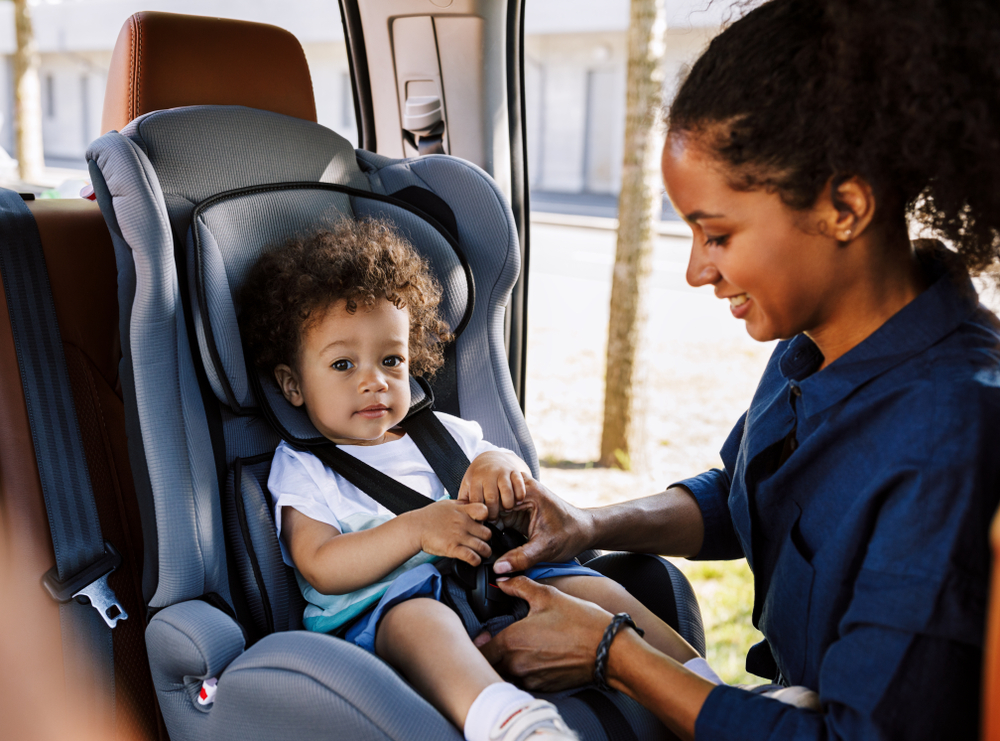 If you’re after the best value for money without compromising on safety, Joie is very hard to beat, especially at the booster and mid-range stages. If you want the extra convenience of a slide-and-rotate base, a few more comfort features, and don’t mind paying a premium for a long-established European name, Maxi-Cosi is the safer bet for peace of mind on paper (even though, in practice, both brands protect your child equally well).
Ready to compare the full range in person? Browse the complete Car Seats collection at Kiddies Kingdom, including the full Joie range and Maxi-Cosi range, and use the filters to compare stage, price and colour side by side before you buy.