-
 Pushchairs
 - Pushchairs
- Shop By Type
 Car Seats
 - Car Seats by Group
 Nursery
 - Nursery
- First Bed
- Bedroom Furniture
- Room Accessories
 Feeding
 - Feeding
- Highchairs & Boosters Seats
- Weaning
 Care
Care - Care
- Safety
- Showroom Appointments Book Now
- Free Delivery & 365 Day Returns
- Lowest Prices Checked Daily
- Over 1 Million Customers Served
Cots & Cotbeds
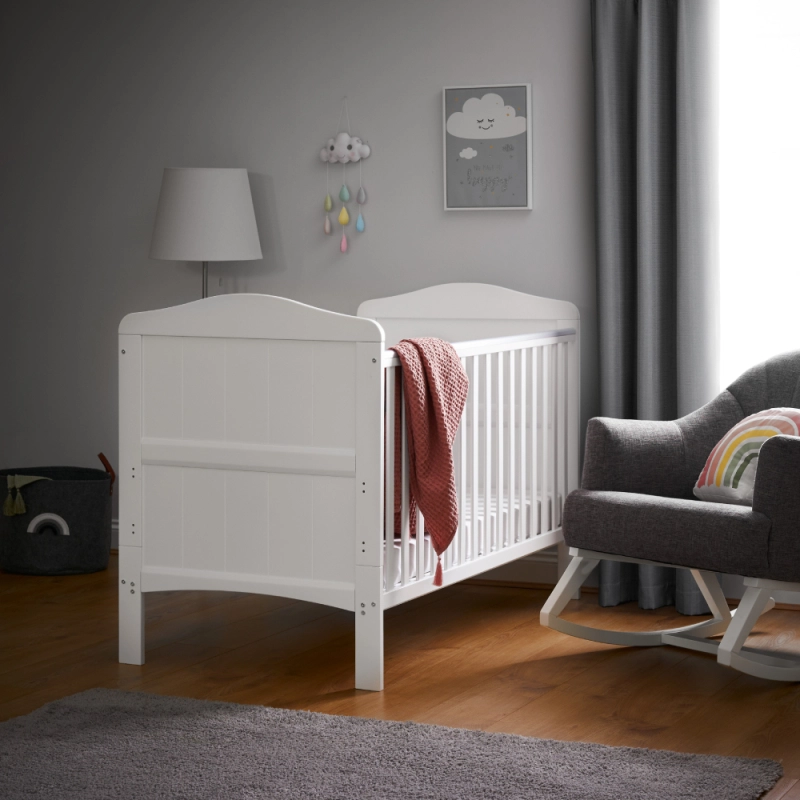
Choosing your baby's cot is one of the most important furniture decisions you'll make, as this is where your little one will spend countless hours sleeping, playing, and growing during their early years. Cots and cot beds provide safe, comfortable sleeping spaces designed specifically for babies and young children, with features that prioritise security whilst offering the flexibility that growing families need.
What's the Difference Between a Cot and a Cot Bed?
Understanding the difference between cots and cot beds helps you make the right choice for your family. A standard cot typically suits babies from birth until around two to three years old, providing a secure sleeping space with fixed sides and adjustable mattress heights. These work well for the baby stage but eventually require replacing as your child grows.
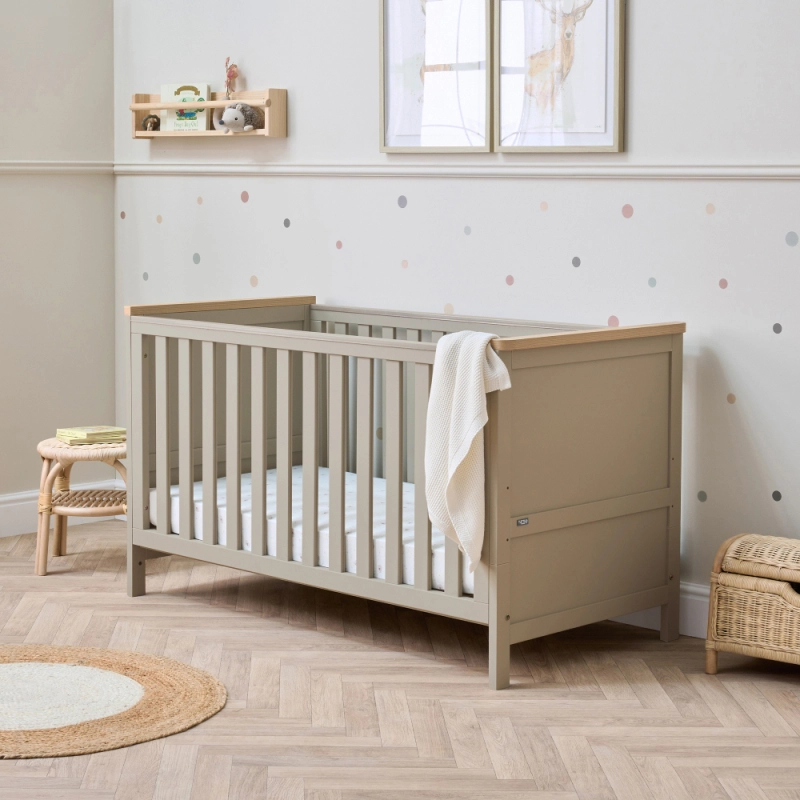
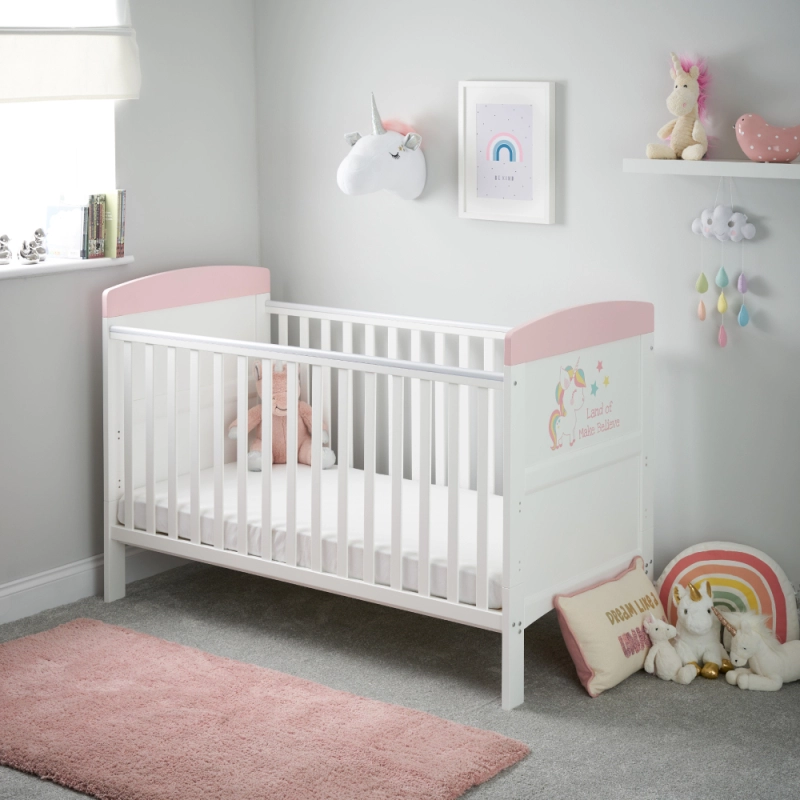
A cot bed offers extended versatility by converting into a toddler bed when your child outgrows the cot stage. The sides remove to create a low bed suitable for children up to around five or six years old, making baby cot bed options more economical over time. This convertibility means one piece of furniture serves your child through multiple developmental stages, from newborn to school age.
Cot and Cot Bed Safety Features
Modern cots meet strict safety standards with slatted sides spaced to prevent heads becoming trapped whilst allowing airflow and visibility. Adjustable mattress positions accommodate your baby's development, starting high for easy lifting of newborns and lowering as babies learn to sit and stand, preventing climbing accidents.
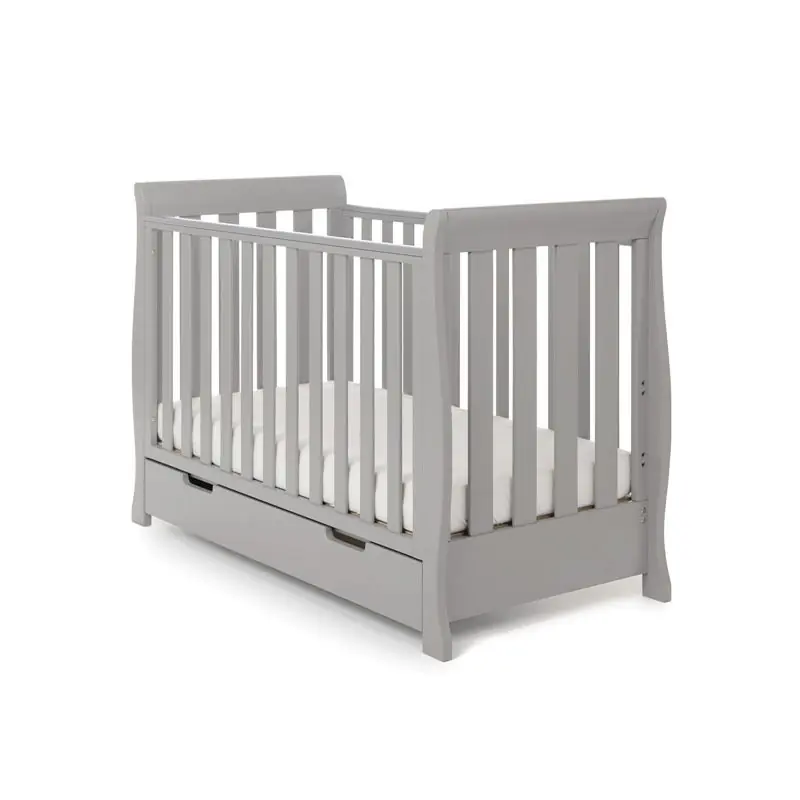
Cots should have secure fixing mechanisms, non-toxic finishes, and no sharp edges or protruding parts. Teething rails protect the cot edges from enthusiastic gnawing and keep your baby safe. Many designs include under-cot storage drawers, providing practical space for bedding, clothes, or toys.
Choosing the Right Cot Mattress
Every cot requires an appropriate mattress that fits snugly with no gaps around the edges. Firm, breathable mattresses support healthy development whilst ensuring safe sleep. When purchasing a cot bed, check whether the mattress is included or needs to be sourced separately.
We stock cots and cot beds from Tutti Bambini, Snuz, Obaby, andBabymore. Many styles coordinate with matching nursery furniture sets, wardrobes, and changing units. For the earliest weeks, bedside cribs andmoses baskets are worth exploring too.
 £279.00 RRP: £429.00View Bundle
 £280.00 RRP: £280.00View Bundle
 £355.00 RRP: £355.00View Bundle
 1 Review
 1 ReviewTutti Bambini
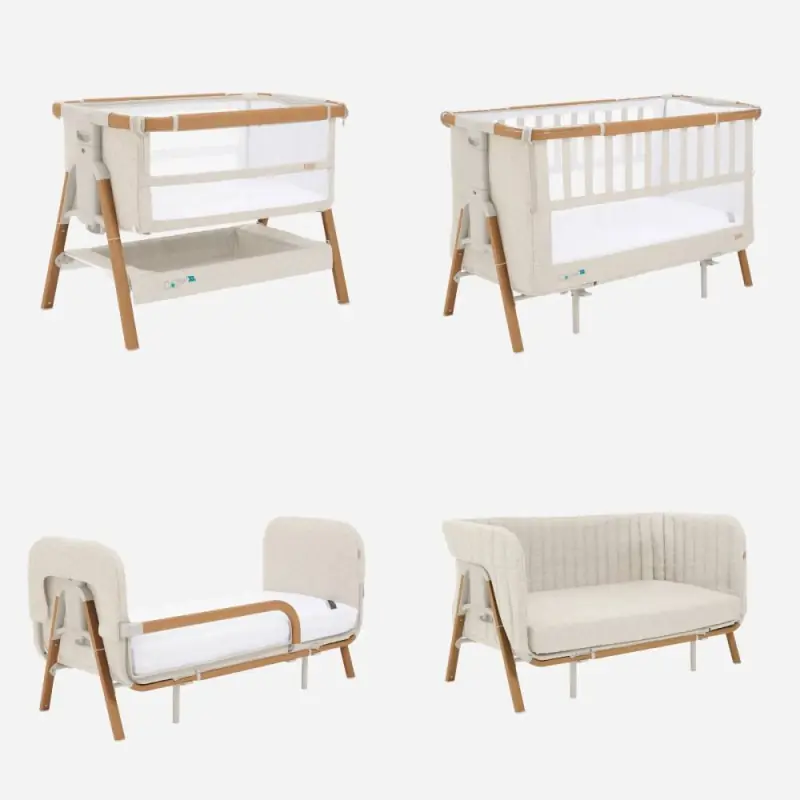
Tutti Bambini CoZee XL - Complete Birth to 4+ Years Package - Scandinavian Walnut/Ecru
1 Review£569.05 RRP: £599.00View Bundle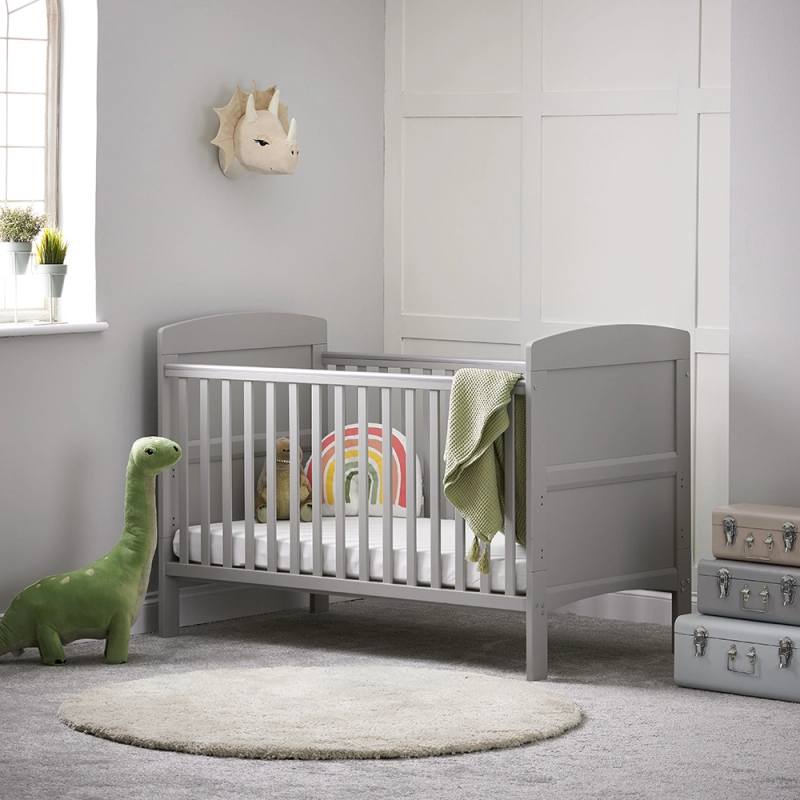
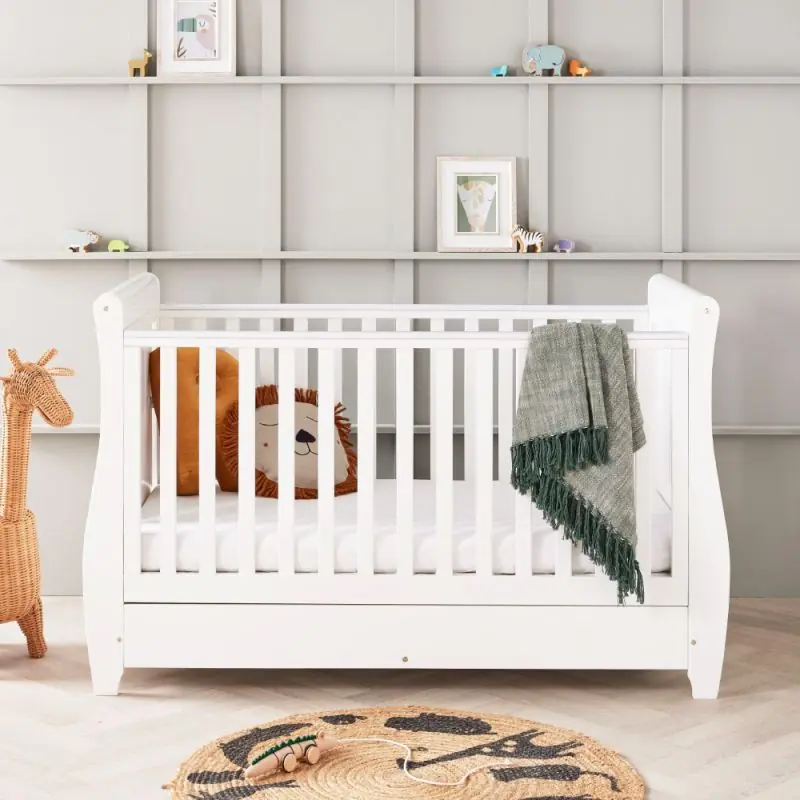 1 ReviewBabymore
Babymore Stella Sleigh DROPSIDE Convertible Cot Bed - White + FREE Cot Top Changer Worth £59!
SEPTEMBER OFFER!
Offer 18%
1 Review£269.00 RRP: £329.00View Bundle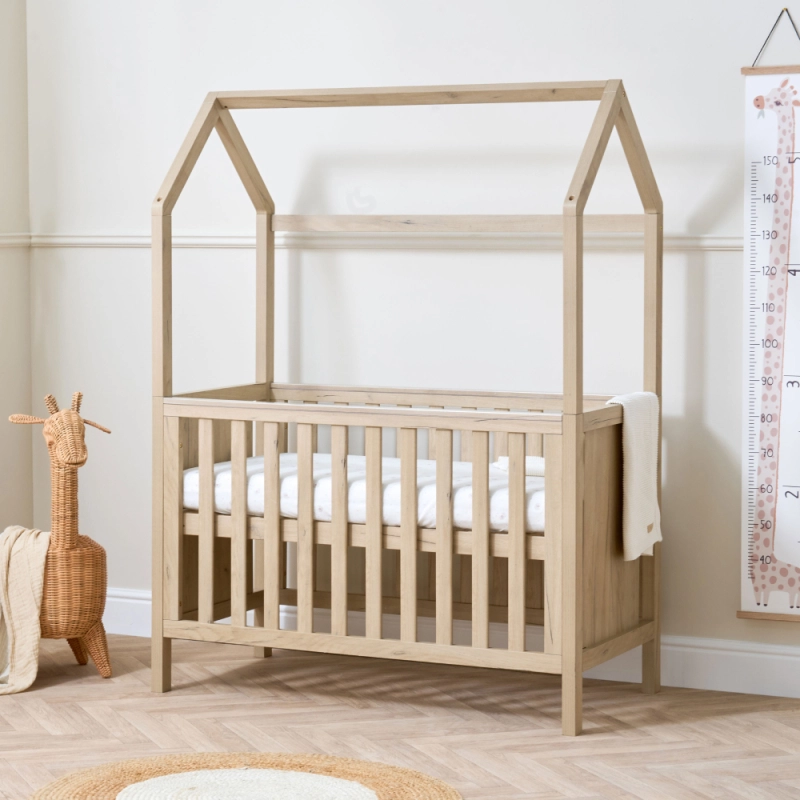 2 Review2 Reviews£217.55 RRP: £229.00Add to Basket
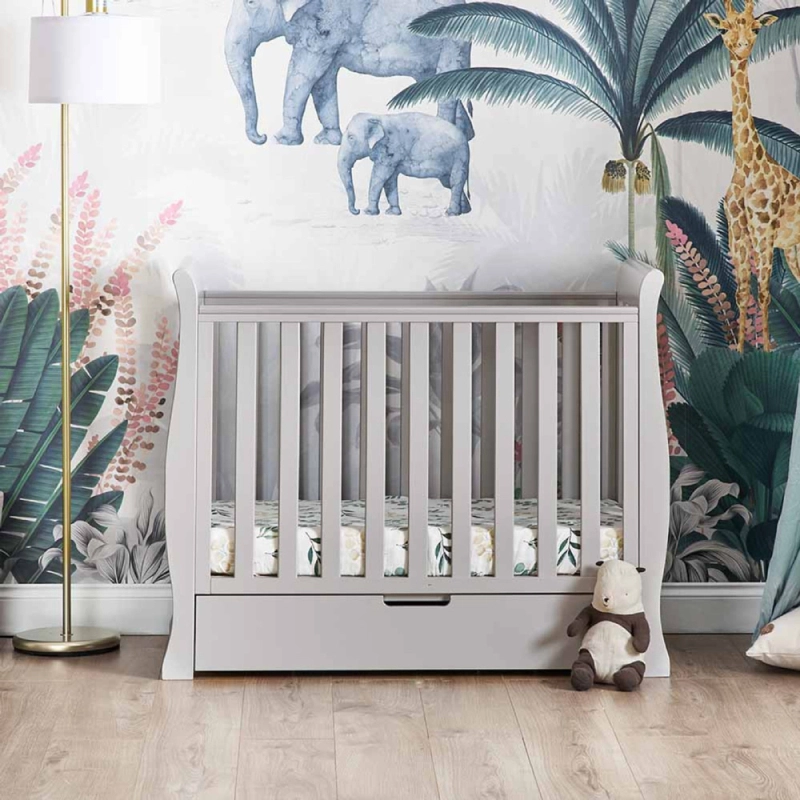 £235.00 RRP: £235.00View Bundle
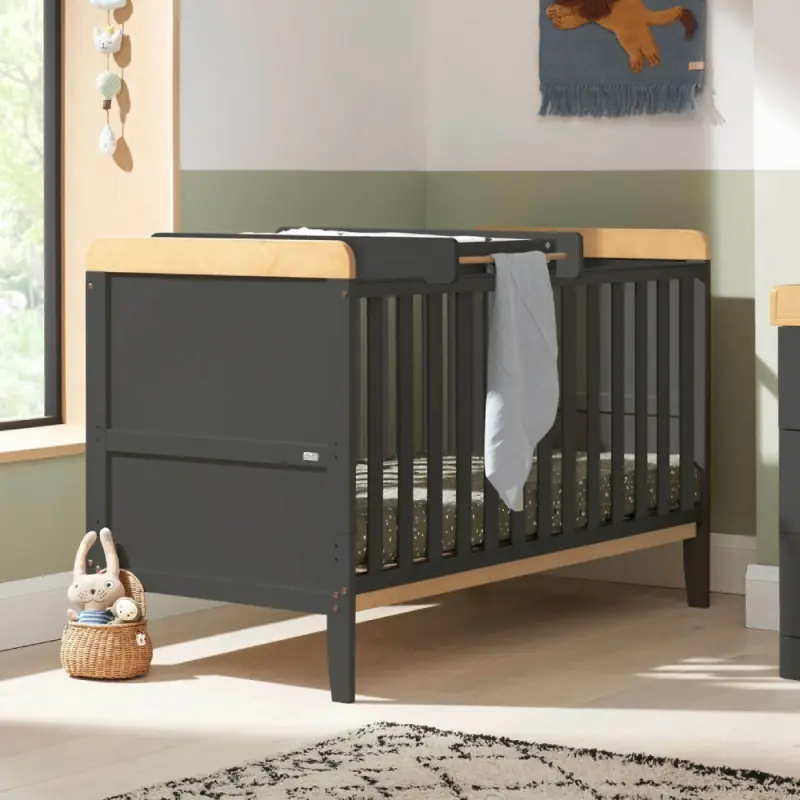 2 ReviewTutti Bambini
Tutti Bambini Rio Cot Bed Bundle Including Cot Top Changer and Mattress - Slate Grey/Honey Oak
2 Reviews£274.55 RRP: £289.00Add to Basket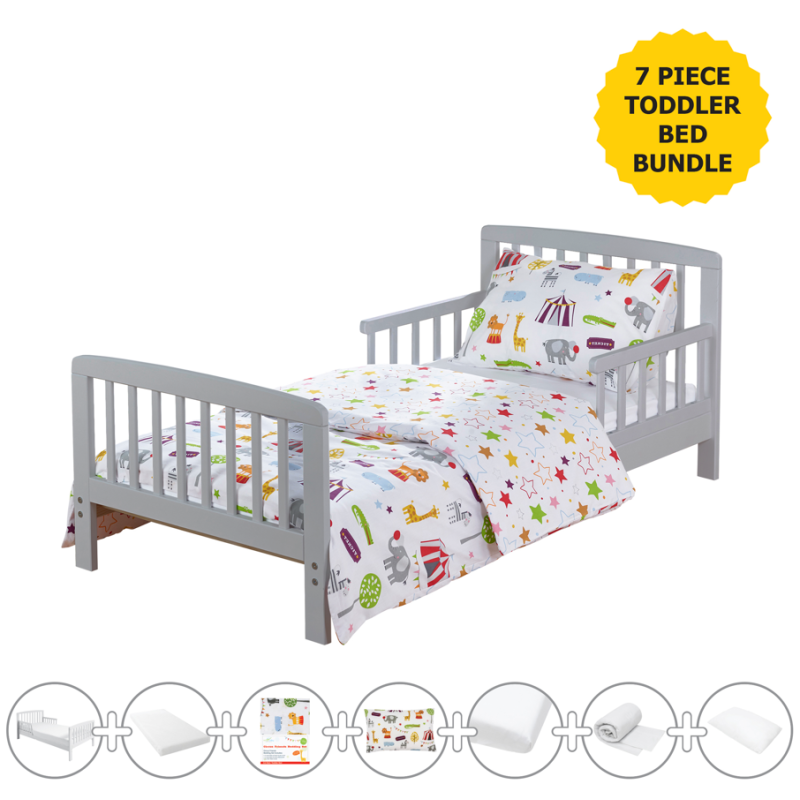 2 Review2 Reviews£159.99 RRP: £199.99Out of Stock
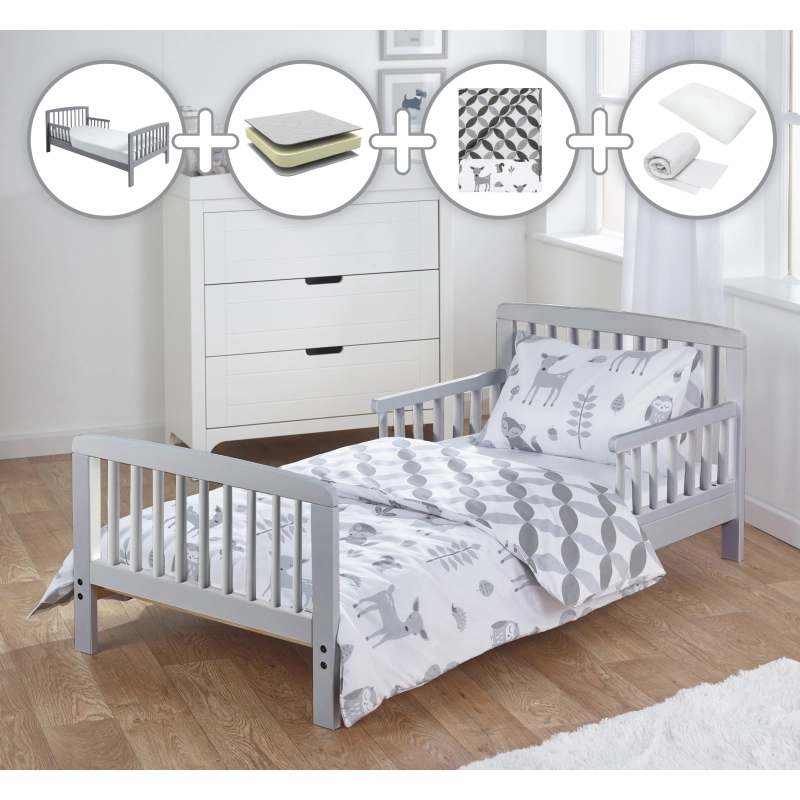 2 Review2 Reviews£159.99 RRP: £199.99Out of Stock
 1 Review
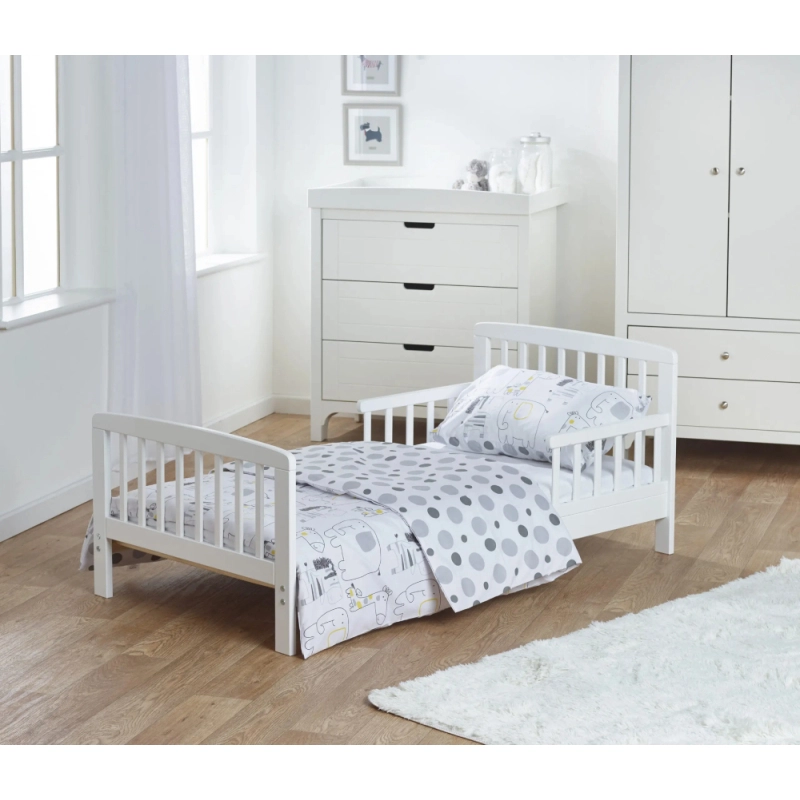 2 Review2 Reviews£159.99 RRP: £199.99Out of Stock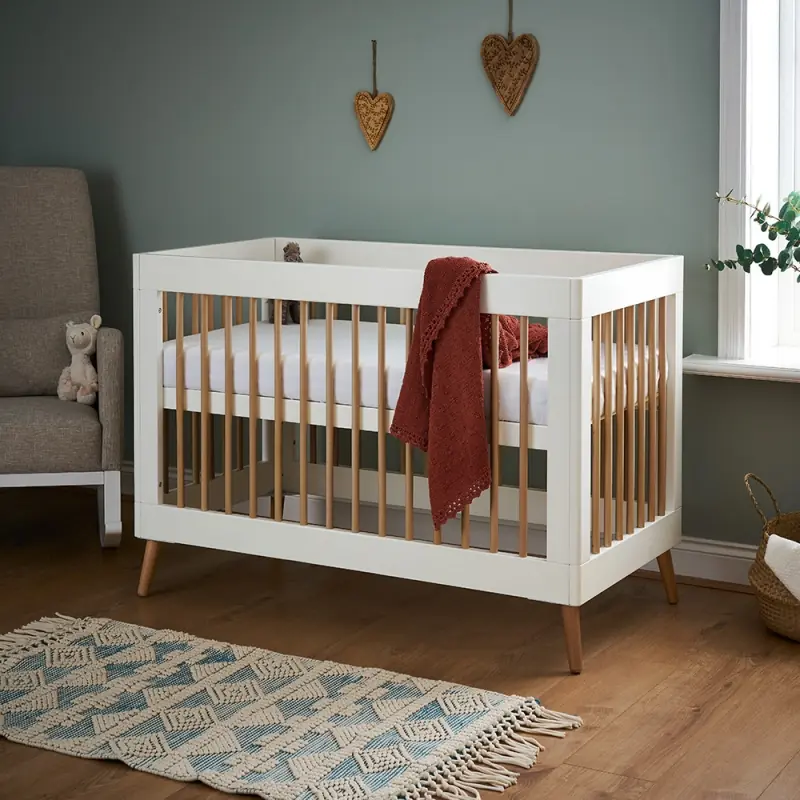
 £199.00 RRP: £239.00Add to Basket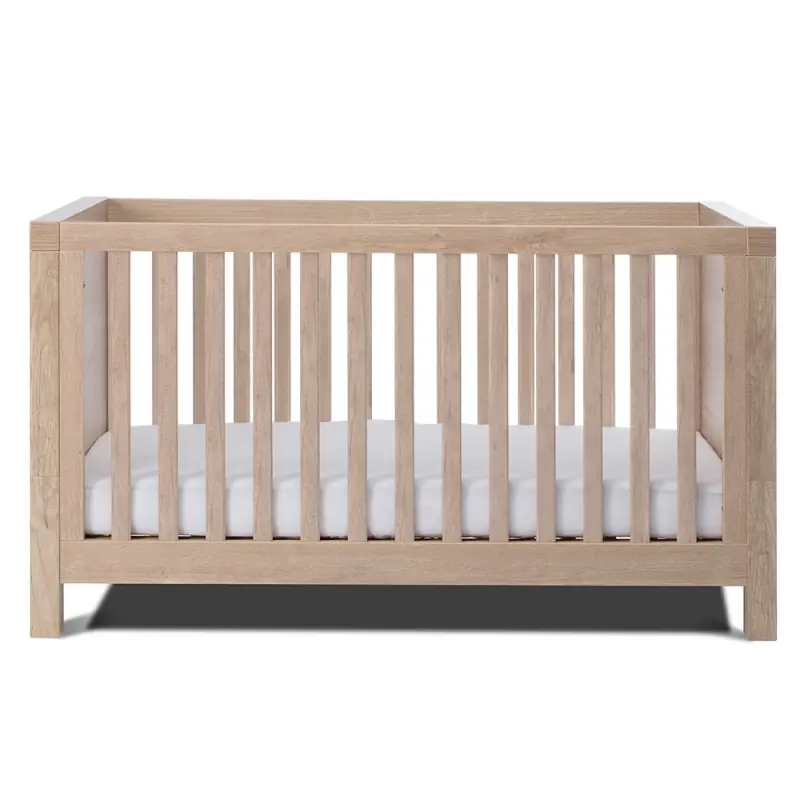
 1 Review
 1 Review

Frequently Asked Questions
What Is the Difference Between a Cot and a Cotbed?
A cot bed is ideal for use once a child has outgrown a traditional cot. The designs include the same high sides as a normal cot but offer enhanced functionality which means they can be lowered or removed when needed. Cot beds are therefore larger in design and emulate the styling of a traditional junior bed once the sides are removed or altered.
What Is Unique About a Cot?
Choosing the best place for your baby or young child to sleep is all about finding the balance between comfort and safety. Cots allow younger children to benefit from a protective area to sleep to meet both needs.
A cot, not to be confused with a cot bed, is a small sleep accessory with high sides to stop a young child from falling out. These come in a few different forms, with permanent wooden designs and fabric travel options being the most popular.
What Are the Benefits of Cot Beds?
Cot beds are larger than cots, meaning they can serve as a comfortable sleeping location while a child grows. This means they last for much longer than a cot and offer brilliant value for money. Depending on your design, cot beds can be used as staple accessories in a child's bedroom long after the nursery days have passed.
Due to their versatility in use, cot beds are also extremely robust and durable. Their sturdy design offers enhanced safety.
Finally, cot beds offer a brilliant way to transition children into their larger beds in the future, as they will already be used to sleeping in a similar spot. By gradually taking the sides away as a child grows, their sleeping environment can be perfectly tailored to current developmental needs.
What Ages Should a Cot Be Used For?
Cots are a brilliant solution for young children so can be used from a newborn stage. As children then get older and learn to move around and stand up, a cot still allows safety to be integrated as they will be unable to get out of bed.
Each child develops at different speeds, but it’s recommended that by the age of two, a child is transitioned into a cot bed or toddler design.
What Ages Are Cot Beds Suitable For?
Cot beds are recommended for use from birth to around four years of age. This will be unique to each child and depend on the bed model chosen. If you are planning on using the same product from the newborn phase, you will need to ensure that the correct safety considerations are accounted for with your chosen design. Accessories and bedding will also need to be switched out based on the child's age and growth needs to ensure comfort and safety.
Where Should Cots Be Placed?
You should place a cot away from any safety concerns which could impact the conditions for a child. This includes windows, doors, electrical sources, and any home decor items they could start to play with. The cot should also be positioned close to a wall to ensure the child feels protected and not exposed to space.
As it's recommended that a child sleeps in the same room as their parents for the first six months, a cot should be positioned close to them. The beauty of cots is that they are lightweight, slimline, and easy to move when needed, meaning transitioning a baby from co-sleeping to their own bedroom doesn't have to be stressful.
What Accessories Can Be Used with Cot Beds?
The main consideration is cot bed bedding. It's important to always use appropriate and correct-fitting bedding, as this will ensure a child is always given correct ergonomic support for their growing bodies. Cot beds will also need specifically sized mattresses and bedding, as choosing something that is ill-fitting will negatively impact a child's sleeping experience.
What Accessories Are Needed for a Cot?
To ensure a child is comfortable, cot bedding should always be selected. This includes bedding sets for comfort but also quilts and bumper sets to elevate safety. Other considerations to make for improving a child's sleep experience are cot mobiles, night lights and baby monitors.
Safety Advice for Cot Beds
It’s always important to ensure that you have selected a safety tested cot bed from a notable manufacturer. When you explore our collection, the worry is eliminated as we only stock high-quality products that have been extensively safety tested.
You should also always check the stability of a bed as a child grows to ensure their weight is always being correctly supported. Also, as a child grows the cot bed should be adjusted to support their mobility needs to eliminate the chance of accidents from happening.
Finally, cot beds should be positioned away from any danger areas for younger children. This includes not being next to heating sources or electrical wires, and tiny hands love to touch anything in their sight. As the child grows, this can of course be re-assessed based on their behaviour.
How Do You Build a Cot?
To ensure a cot has been properly constructed, you should always follow the manufacturer's instructions. The process for building a cot is simple with most parts being supplied in large pieces. Once you have constructed the cot, always be sure to carry out safety testing before allowing a baby to sleep in it.
What Safety Considerations Need to Be Made When Using a Cot?
Using a cot is intended to promote safety for a young child but that doesn’t mean other measures can be missed out on.
When choosing bedding and bumpers for a child's cot, it's essential to prioritise ergonomic support.
Also, consider safety by ensuring the cot is not near anything that could pose a danger. Remember, the use of bumpers and quilts/pillows should be dependent upon the child's age. It's generally recommended to avoid using quilts and pillows before the child is 12 months old. Lastly, regularly assess if the child has outgrown the cot to ensure they have a safe sleeping environment.